
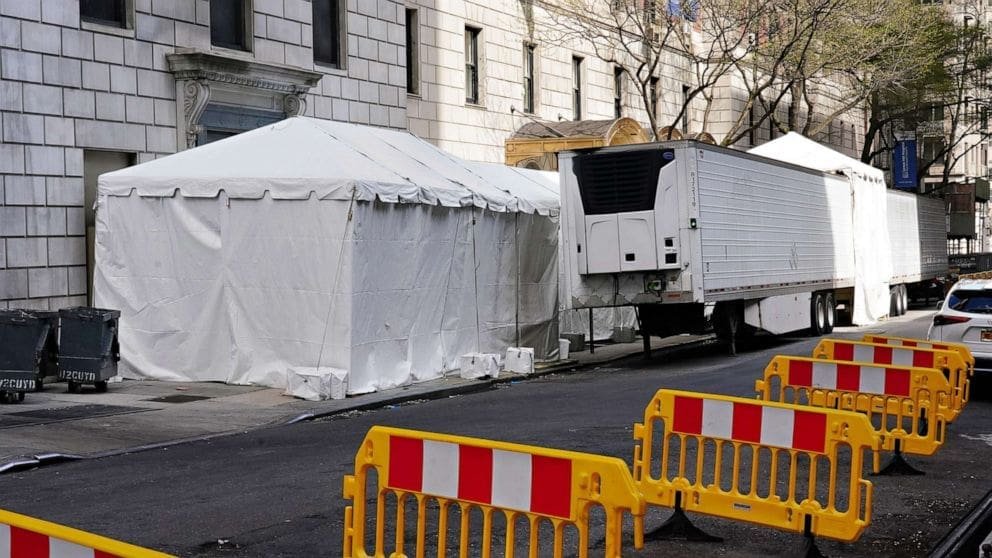
Coronavirus’ reach from beyond the grave: Deceased body transmits COVID-19

It’s technically possible to catch COVID-19 from the dead.
April 17, 2020, 9:39 AM
6 min read
Hic locus est ubi mors gaudet vitae succurrere, is a phrase often inscribed on the walls of morgues and autopsy suites. Roughly translated from Latin it means, “This is the place where death rejoices in teaching the living.”
Indeed, researchers are learning new things about the novel coronavirus almost daily, the most recent lesson coming from beyond the grave.
Scientists in Thailand have reported the first known case of COVID-19 infection from a dead person. The deceased was a forensic medical professional. Forensic pathologists, also known as medical examiners, evaluate dead bodies for a living, making it highly likely — and sadly — that this person became infected with the virus that causes COVID-19 from a dead person, the Thai scientists concluded.
As the so-called “last responders,” of the COVID-19 pandemic, forensic pathologists have a lower chance of coming into contact with a COVID-19-infected patient compared to first responders, such as police officers and EMTs.
Because COVID-19 is primarily spread through respiratory droplets when people cough, sneeze or talk, it’s less likely to be passed on by a dead body — although now we know transmission is technically possible.
The National Association of Medical Examiners notes that the “risk of droplet transmission of COVID-19 after death is thought to be minimal,” but possible, since forensic medicine personnel regularly come in contact with corpses and biological fluids.
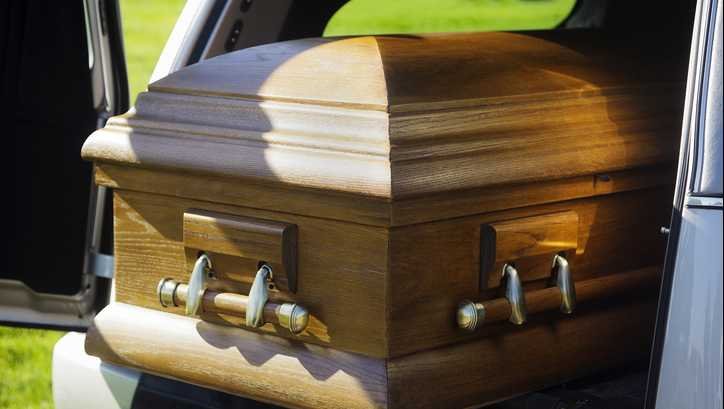
Although it’s possible to contract COVID-19 from the dead, experts say that precautions already in place will protect medical examiners and health care personnel from harm. Family members should not touch the body of a loved one who dies at home of suspected COVID-19 infection.
The professional society notes “Medical Examiners and Coroners are familiar with handling bodies that have other viral diseases, such as HIV and Hepatitis, diseases that likely pose more risk at autopsy than COVID-19. Funeral Homes routinely handle bodies with known infections of varying kinds as well.”
Most infectious agents do not survive long in the human body after death, according to the World Health Organization. However, WHO also recognizes that workers who routinely handle corpses are at risk of contracting tuberculosis, blood-borne viruses like Ebola, hepatitis and HIV, and gastrointestinal infections like E. coli and typhoid fever.
Medical examiners can never be too sure which infections a corpse may harbor, so they always take universal precautions, and treat all body fluids as infectious. This means wearing protective suits, gloves, goggles, face shields, caps and masks.
“I approach all my cases with universal precautions so in that regard I feel protected to a certain extent,” said Melissa Guzzetta, a medical examiner based in New Jersey. “With COVID, because it is a novel pathogen that we do not fully understand, I think the uncertainty, no matter how small, leaves people with enough anxiety that the majority of offices feel the risk of doing an autopsy outweighs the benefits” when it comes to examining the body of a person who died from COVID-19, she said.
Data regarding the exact number of COVID-19 contaminated corpses is not easy to come by since testing for COVID-19 in dead bodies is not routine. However, the Centers for Disease Control and Prevention has specific recommendations for the collection and submission of post-mortem specimens from deceased persons with known or suspected COVID-19.
What to know about coronavirus:
Angela N. Baldwin, MD, MPH is a pathology resident at Montefiore Health System in the Bronx and a contributor to the ABC News Medical Unit.
About author

Recent Comments